Planning a Home Addition in Michigan
Planning a home addition in Michigan often begins long before construction equipment arrives or foundations are poured. While spring and summer are the most visible seasons for building projects, the most successful home additions in Oakland County are usually designed and prepared during late winter.
Many homeowners assume they can begin planning an addition once the weather warms up. In reality, zoning research, design development, engineering, and permitting all take time. Starting the planning process before the ground thaws allows homeowners to avoid delays and move into construction season with confidence.
If you’re considering adding space to your home in Rochester Hills, Bloomfield Hills, Birmingham, Troy, Lake Orion, or elsewhere in Oakland County, early planning is the key to a smoother project timeline.
In this article, we’ll cover:
- Why planning a home addition in Michigan should start in winter
- Zoning and setback rules that affect Oakland County additions
- The design and architectural planning process
- Engineering and structural considerations
- Permits and municipal approvals
- Construction timelines for home additions
- Why design+build planning simplifies complex projects
Why Home Addition Planning Should Start Before Spring
Michigan’s construction season typically begins once temperatures rise and the ground thaws. That’s when excavation, foundation work, and framing activity increase across Oakland County.
However, by the time construction season arrives, the most successful projects have already completed weeks, or months, of planning work.
Starting early provides several important advantages.
First, it allows homeowners to fully explore design options. Additions are major investments, and rushing layout decisions can lead to regrets later. Taking the time to evaluate different configurations ensures the new space integrates naturally with the existing home.
Second, early planning helps avoid scheduling bottlenecks. Experienced remodeling contractors often fill their spring and summer calendars months in advance. Homeowners who wait until April or May to begin planning may find their project pushed into late summer or fall.
Finally, starting early allows sufficient time to navigate municipal regulations. Zoning review, engineering plans, and permit approvals are all necessary steps that can affect timelines if left until the last minute.
Understanding Zoning and Setback Requirements in Oakland County
One of the first steps in planning a home addition in Michigan is determining what your property allows. Local zoning ordinances regulate how homes can expand, including limitations on setbacks, lot coverage, and building height.
Setbacks determine how close structures can be built to property lines. In many Oakland County municipalities, additions must maintain minimum distances from the front, side, and rear lot boundaries.

Other zoning considerations may include:
- Maximum square footage or lot coverage limits
- Restrictions within subdivision covenants or HOAs
- Historic district guidelines in certain communities
- Drainage or grading requirements
These rules vary between municipalities such as Rochester Hills, Troy, Bloomfield Township, and Birmingham. Before finalizing any addition plans, it’s essential to confirm what is permitted on your property.
A professional design+build team typically researches these requirements early in the process to avoid designing an addition that cannot be approved.
Designing an Addition That Feels Like It Belongs
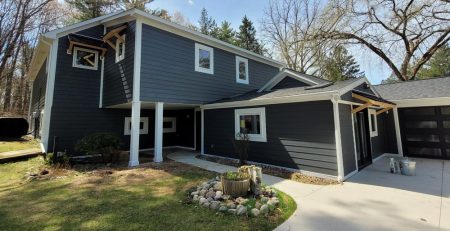
One of the biggest challenges with home additions is ensuring the new space blends seamlessly with the existing home.
A well-designed addition should feel like it was always part of the original structure, not an afterthought. Achieving this requires careful attention to architectural proportions, rooflines, window placement, and interior flow.
Homeowners in Oakland County frequently pursue additions such as:
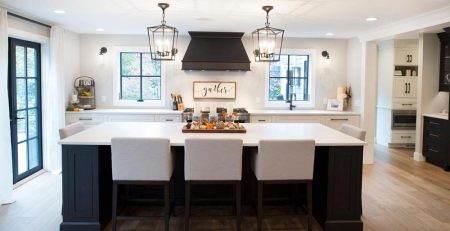
- Expanded kitchens
- Primary suite additions
- Second-story expansions
- Family room additions
- Mudroom or entryway expansions
- Garage additions
Each of these requires thoughtful integration with the home’s structure and layout.
During the design phase, homeowners work through questions like:
- How will the addition connect to existing rooms?
- Will new rooflines align with the current structure?
- Should interior walls be removed to improve flow?
- Will plumbing, HVAC, or electrical systems need expansion?
These decisions shape both the appearance and functionality of the finished project.
“Planning a home addition in Michigan takes time, but starting early makes the entire process smoother. By addressing design, zoning, and permits before construction season begins, homeowners can move forward with confidence once the weather improves.”
Structural Engineering and Foundation Considerations
Unlike interior remodeling projects, home additions require structural engineering to ensure the new construction safely integrates with the existing home.
Depending on the scope of the addition, structural planning may include:
- New foundation design
- Load-bearing wall analysis
- Roof framing integration
- Floor system connections
- Structural beam sizing
Michigan’s climate also plays an important role in foundation design. Frost depth, soil conditions, and drainage must all be considered to prevent long-term structural issues.
Because of these factors, engineering plans often need to be completed before permits can be submitted.
Starting this process during winter ensures engineering review doesn’t delay construction once the weather improves.
Permits and Municipal Approvals
Before construction can begin on a home addition in Michigan, local building departments must review and approve the project.
Permit requirements typically include:
- Architectural drawings
- Structural engineering plans
- Site plans showing setbacks and lot coverage
- Energy code compliance
- Electrical and plumbing layouts
Once permits are submitted, municipalities may require plan review before issuing approvals. Depending on the city or township, this process can take several weeks.
Beginning permit preparation before the ground thaws helps homeowners align approvals with the start of construction season.

What Construction Timelines Look Like for Home Additions
After planning, engineering, and permitting are complete, construction can begin.
The construction timeline for a home addition varies depending on size and complexity, but most projects follow these stages:
- Site preparation and excavation
- Foundation installation
- Framing and structural work
- and exterior enclosure
- Mechanical rough-ins (electrical, plumbing, )
- Insulation and drywall
- Interior finishes and trim work
For many Oakland County projects, home additions take approximately three to five months from groundbreaking to completion.
Weather, project complexity, and material availability can influence this schedule, which is another reason early planning is beneficial.
Why Design+Build Is Especially Valuable for Home Additions
Home additions involve many moving parts—designers, engineers, building departments, suppliers, and construction teams. Managing all of these components separately can be complicated for homeowners.
A design+build approach simplifies the process by bringing design and construction under one coordinated team.
This approach offers several advantages:
- Design decisions informed by construction experience
- Greater cost clarity early in the process
- Clear communication between all project stakeholders
- A streamlined transition from planning to construction
For homeowners planning a home addition in Oakland County, this integrated approach often results in fewer surprises and a smoother experience overall.
Why Starting Early Makes the Entire Project Easier
Home additions are among the most rewarding home improvement projects, but they also require careful planning.
Starting the design process before the ground thaws gives homeowners the time needed to research zoning, finalize layouts, coordinate engineering plans, and secure permits before construction season begins.
Instead of rushing decisions once the weather improves, early planners enter spring with a clear roadmap and a project ready to move forward.
For Oakland County homeowners who want to expand their living space without moving, winter planning sets the stage for a successful addition project.
FAQs About Planning a Home Addition in Michigan
Planning typically takes 2–4 months, including design development, engineering, and permitting.
Yes. Most additions require building permits and plan review by the local municipality.
Late winter is ideal because it allows time for design and approvals before spring construction begins.
Construction timelines usually range from three to five months depending on project size and complexity.
Kitchen expansions, primary suite additions, and second-story additions are among the most impactful projects for long-term home value.
Plan Your Home Addition Before Construction Season Begins
Planning a home addition in Michigan takes time, but starting early makes the entire process smoother. By addressing design, zoning, and permits before construction season begins, homeowners can move forward with confidence once the weather improves. If you’re considering adding space to your Oakland County home, Renovation By Design’s design+build team can help you evaluate possibilities, develop thoughtful plans, and prepare your project for a successful build.
Call us at (248) 260-7639 or contact us here to schedule a complimentary consultation.