What Makes Oakland County Homes Unique to Remodel?
Oakland County is one of Michigan’s most architecturally diverse regions, and that diversity is a major reason homeowners choose to remodel rather than relocate. From historic homes tucked into older neighborhoods like Royal Oak and Birmingham to lakeside cottages in Lake Orion, Bloomfield, and West Bloomfield, to sprawling mid-century and 1980s-1990s builds throughout Rochester and Novi, the county offers nearly every style and era of residential architecture. This variety is part of what makes remodeling Oakland County homes exciting—and also what makes it uniquely complex.
Renovation By Design has spent decades working inside these homes, uncovering their quirks, understanding their zoning constraints, and transforming outdated layouts into spaces that feel modern and functional while respecting the original character. Remodeling here isn’t a one-size-fits-all effort; it’s a blend of architectural sensitivity, smart engineering, and a deep understanding of how Oakland County homes were built.
Below is an in-depth look at what makes these homes special—and what homeowners should understand before starting a renovation.
Architectural Variety That Defines the Region
One of the most distinctive elements of renovating Oakland County homes is encountering the wide range of architectural styles across its suburbs. Birmingham and Bloomfield Hills often feature classic colonials, 1920s–1940s Tudors, and mid-century homes with unique footprints. Royal Oak, Ferndale, and Berkley bring more bungalows, smaller post-war homes, and early 1900s charmers with loads of character but limited space. Rochester and Oakland Township house a mix of newer construction, lake homes, and open-concept layouts that evolved over the decades.
This range of design styles influences nearly every remodeling decision. Older Tudors, for example, were built with thick plaster walls, narrow kitchens, compartmentalized rooms, and unique rooflines that make additions or expansions more complex—but ultimately rewarding. Many Royal Oak bungalows have smaller footprints and require creative space-planning and structural reframing to open up the layout. Lake homes often include previous DIY additions or decades-old renovations that don’t match today’s codes or aesthetic expectations. And homes built in the 1980s and 1990s often have large but inefficient primary bathrooms, underutilized formal dining rooms, and kitchen layouts that no longer align with how families use their homes.
Each home style presents its own challenges and opportunities. A design-build approach becomes essential because architectural sensitivity—understanding what should be preserved versus what should change—is key to making the remodeled space feel natural, not disconnected from the home’s original character.
Construction Quirks Unique to Oakland County Homes
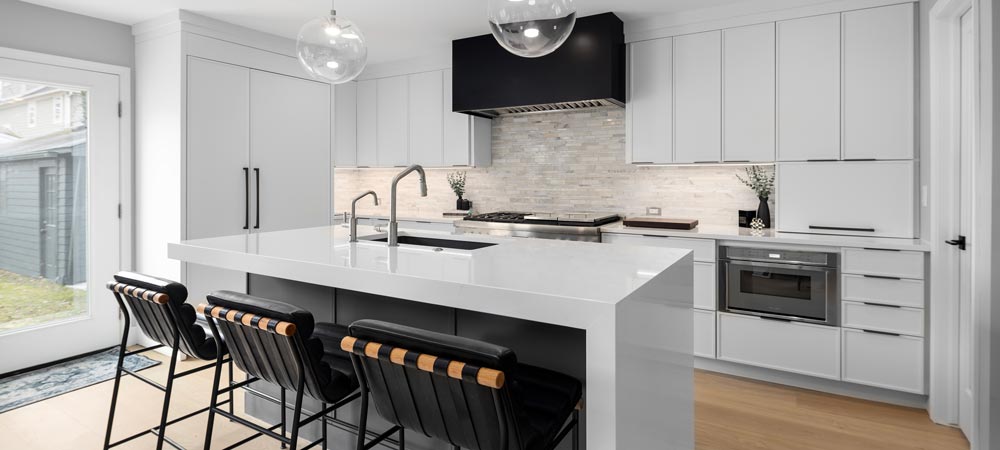
Many Oakland County homes were built during different boom periods, meaning construction practices varied widely between eras and even between neighborhoods. Opening up walls in a Birmingham colonial might reveal true dimensional lumber, original galvanized plumbing, and plaster-and-lath walls that require careful removal. Homes in Royal Oak and Ferndale might present knob-and-tube wiring tucked behind original plaster ceilings. Lake homes often have a combination of additions layered over time, with mismatched floor joists, multiple roof tie-ins, or patchwork mechanical systems.
Even newer construction isn’t exempt from surprises. Many 1990s homes in Rochester or Novi were built with extensive truss systems that limit how much you can open up the first-floor layout without additional engineering or steel support. Some West Bloomfield homes have complex soffit structures built around mechanical runs. And tri-levels and quad-levels in Troy or Farmington Hills require thoughtful planning to integrate new layouts with split-level transitions.
Understanding these structural realities determines what’s possible without major reengineering—and when reengineering is exactly what the project needs. For homeowners, this highlights why tearing down a wall isn’t always as simple as it looks. For designers and builders, it’s a reminder that the best results come from anticipating the quirks rather than reacting to them.
Historic vs. Modern: Preserving Character While Updating Function
Oakland County’s historic homes are beloved for their craftsmanship—arched doorways, built-in cabinetry, original hardwood floors, limestone fireplaces, and detailed trim profiles that you simply don’t find in newer builds. But updating these homes requires a thoughtful balance between maintaining that charm and delivering modern convenience.
Design-build firms often replicate original millwork profiles, blend new cabinetry with existing architectural language, or match original interior doors to maintain cohesion. For kitchens, careful planning is essential to integrate high-end appliances, better lighting, and modern storage without overwhelming the historic footprint. For bathrooms, the challenge is to incorporate luxury materials and updated plumbing systems within layouts that were never originally designed for today’s expectations.
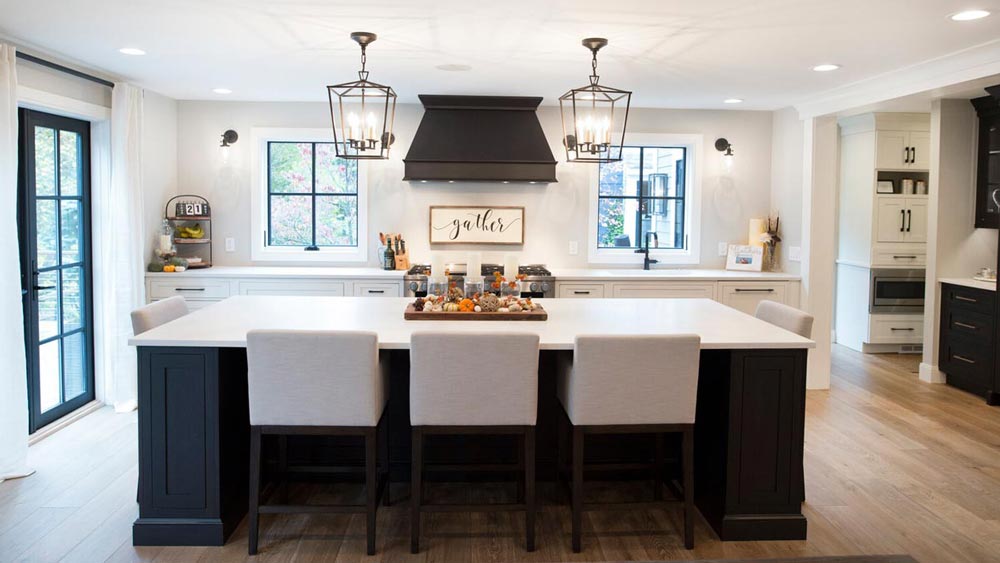
On the modern side, many Oakland County homeowners are embracing cleaner lines, minimalist cabinetry, oversized islands, spa-inspired bathrooms, and open-concept spaces. The key is designing transitions so the home doesn’t feel disjointed—especially in colonials where the traditional layout wasn’t built around openness. Sometimes the question becomes, “How do we modernize without losing the integrity of the home?” And in other cases, the goal is a total transformation that redefines how the home functions.
This balance between old and new makes the region incredibly interesting for renovation work. It requires a design team that respects history while also being skilled at reimagining spaces for modern lifestyles.
“Oakland County homes are unique, full of character, and built across a wide range of eras—each with its own strengths and challenges. “
Zoning, Setbacks, and Lot Constraints: A Big Factor in Oakland County Additions
Zoning plays a critical role in any Oakland County home renovation, especially when additions, dormers, or structural expansions are part of the plan. Each city—Birmingham, Rochester, Troy, Bloomfield Township, etc.—has its own zoning ordinances, minimum setbacks, height limits, lot coverage percentages, and historic district rules.
For example:
- Birmingham has strict guidelines for massing, proportion, and exterior appearance in certain districts, requiring detailed architectural review.
- Bloomfield Township and West Bloomfield have unique zoning restrictions around waterfront properties, including environmental regulations for shoreline protection.
- Royal Oak, Huntington Woods, and Berkley have smaller lots with tighter setback requirements, often influencing how large an addition can be or whether a second story is feasible.
- Oakland Township and Rochester Hills have larger lots but stricter tree-removal permissions and grading requirements.
These zoning realities influence both design and feasibility. A homeowner dreaming of a large kitchen addition might discover that lateral expansion isn’t allowed, but a rear addition or second-story build-out is. Conversely, lake homes often require creative solutions like cantilevered decks, walkout lower levels, or carefully engineered retaining structures.
Working with a team familiar with local planning boards and permitting processes is essential. It ensures the project moves forward without delays—and that the design aligns with what zoning boards will approve the first time.
Lifestyle Trends Driving Remodeling Decisions in Oakland County
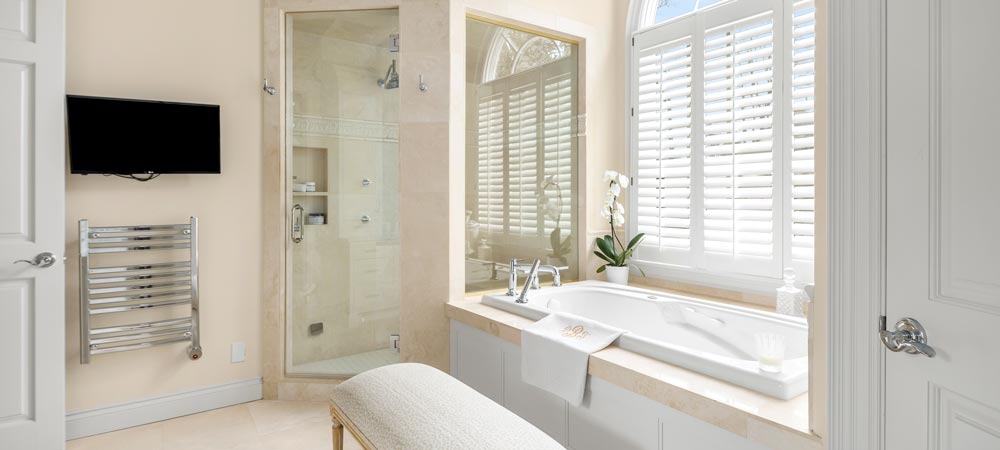
While the architectural quirks and zoning regulations shape the structure of a remodel, local lifestyle trends shape the design vision. In Oakland County, homeowners are prioritizing open kitchens with better flow for entertaining, expanded mudrooms for busy families, dedicated home office spaces, spa-like primary suites, and finished basements that function as multi-use gathering spaces.
Many homeowners are also rethinking how they use space. Large formal dining rooms from 1980s and 1990s builds are often reimagined as flexible office space, homework areas, or extensions of the kitchen. Older colonial homes with small kitchens benefit from structural reframing to improve everyday flow. And lake homes frequently incorporate views, natural light, and indoor-outdoor transitions into the design.
These trends reflect how Oakland County families live today—and they shape how remodels are planned, engineered, and executed.
Why a Design + Build Approach Works Best in Oakland County
The complexities of home remodeling in Oakland County—from structural surprises to zoning restrictions—make the design-build model especially effective. A cohesive team can anticipate challenges, streamline decision-making, and ensure the design is grounded in reality from the start.
When designers, builders, and trade partners collaborate under one roof, homeowners get:
- Accurate budgeting tied directly to the design
- Feasible engineering solutions that prevent mid-project redesign
- A cohesive aesthetic that respects the home’s architecture
- Faster timelines and fewer delays
- Clear communication from concept to completion
It’s the ideal model for a region where no two homes are built alike and every renovation has its own story.
Oakland County Home Remodeling
Oakland County homes are unique, full of character, and built across a wide range of eras—each with its own strengths and challenges. Remodeling in this area means working with existing constraints, structural realities, architectural styles, zoning codes, and the preferences of homeowners who want functional, modern spaces without sacrificing the charm that made them fall in love with their homes in the first place.
Understanding what makes these homes different isn’t just useful—it’s essential for creating results that feel seamless, intentional, and lasting. With the right design-build team, Oakland County homeowners can transform their spaces with confidence, knowing the local quirks have been accounted for and the final result will reflect both the home’s history and their vision for its future.